






Sen. Fortunato discusses student safety and his legislation to provide training for an active shooter response.
Author Archives: Laudan
February 26, 2018
|
||
|
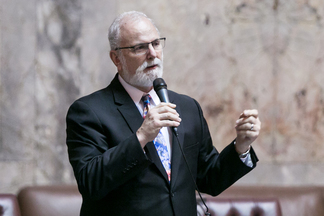


In a news conference Wednesday, Sen. Phil Fortunato, R-Auburn, expressed his desire to return taxpayer money in the form of relief from the Democratic property tax increases as part of the state’s biennial budget that was adopted in 2017. Fortunato spoke in support of Senate Bill 6439, which seeks to reduce property taxes for 2018 and 2019.
“Hard-working taxpayers gave us their tax dollars last year to implement a budget and pass their laws,” said Fortunato. “We constantly see the tax-and-spenders wanting to do nice things for people when we have surplus tax dollars, like we do now. We should give them back their own money and let them do something nice for themselves.”
The legislation fixes the budget compromise adopted last year that fully funded education statewide but resulted in a property tax “blip” during a transition to the new education funding plan.
“The opposition insisted on extending the overreliance on local levies to fund education into 2018 as part of the implementation of the education plan,” said Fortunato. “That is why property owners are getting sticker shock with their bills. We have the money now and should return it to the taxpayers so they can get some relief.”
Podcast: Play in new window | Download
My bold proposal on transportation funding has received public hearings in previous legislative sessions and demonstrated that it can work.
The measure, Senate Bill 5743, would fundamentally change how the state pays for transportation infrastructure projects by providing a stable and fair alternative to the unpopular vehicle mileage tax proposal. The plan, ‘Fully Fund Transportation,’ uses existing state sales tax dollars on the sale of motor vehicles to provide additional funding for the gas tax account to build roads.
The transportation infrastructure needs of the state are staggering. From the need to replace the Columbia River Bridge to the two small bridges I need for my district, there is a huge need for more funding. At the current rate of expenditure, projects are obsolete before all the connecting projects are done. Rather than reach into the pockets of the people for more tax dollars when they are already taxed to death, especially with the looming carbon tax and income tax proposals on the horizon, we need an innovative solution like the one I’m proposing.
The proposal uses existing revenue and details a plan to demonstrate how expenditures can return more revenue back to the state to help pay for the proposal. Similar to the assumptions used to justify the recent 11.9-cent gas tax increase, the economic impacts and revenue returns justify the expenditure.
Some argue that if you just raise the gas tax, it will do all this great stuff for the economy. Well, if that’s true, why do you need to raise my taxes?
An analysis by the Office of the State Treasurer notes that as more people move to electric vehicles, which the state already subsidizes, gas tax revenue will decline. If gas tax revenue fails to cover the cost of outstanding transportation bonds, the general fund will have to cover the difference. My FFT is a planned and controlled process rather than a panicked reaction to the impending shortfall, he noted. An economic analysis of the proposal is available here.

February 1, 2018 |
|||
|


 Common sense laws that need to be passed


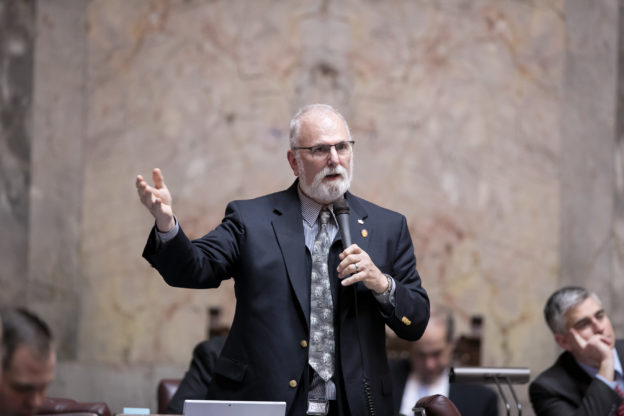
During the 2017 legislative session, Sen. Phil Fortunato, R-Auburn, sponsored a state constitutional amendment to prohibit the imposition of an unpopular income tax on citizens in Washington state. Although the measure had bipartisan support, Senate Joint Resolution 8204 needed a two-thirds majority to pass. Most Senate Democrats voted against the measure while all 25 members of the then-Majority Coalition Caucus supported it.
“When I introduced this proposal, people scoffed,” said Fortunato. “During debate, the opposition said we were wasting valuable time on something no one was talking about. I guess he wasn’t paying attention because the counterparts in the House introduced income tax bills, the City of Seattle was trying to implement an income tax, and now they’ve reintroduced another proposal to create a state income tax on capital gains again.”
Using verbal camouflage, they are trying to redefine income tax, arguing that a tax on capital gains is an excise tax. However, state revenue departments across the country disagree. Even progressive California, “taxes capital gains as an income tax and taxed at the same rate and ordinary income.”
“The fact is that some in Olympia just want more of your money, regardless of where it comes from,” said Fortunato. “Pro-tax legislators constantly want to raise taxes to do something nice for the people. I say give them their own money back and let them do something nice for themselves. The people of Washington have been clear, even in progressive parts of the state; they don’t want an income tax.”
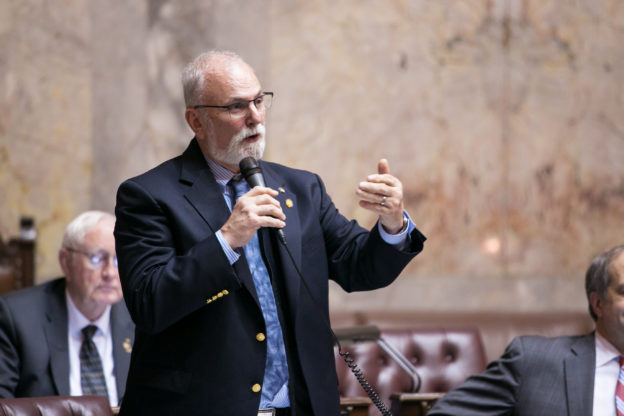
Fortunato sounds alarm on new development rules
Senator Phil Fortunato cast his vote to approve a legislative fix for the flawed 2016 Hirst decision and approved a capital budget late Thursday evening. Senate Bill 6091 was approved in the Senate by a vote of 35 to 15 and in the House by 66 to 30.
“I some concerns about the bill, but our community fares well under the proposal,” said Fortunato, R-Auburn. “People will be charged a bit more to drill a well, but the solution really puts us back to the status quo, allowing rural residents to get water. It also includes an exemption for livestock. They imposed some new limits on water usage in areas without a way to actually measure it, but don’t tell anybody.”
The legislation authorizes new wells with some new conditions depending on the watershed and clarifies the permitting authority to provide greater certainty for applicants. In typical government fashion, the bill also creates local planning committees that would determine water-related projects to be funded by the Legislature and other regulations, which Fortunato opposed. In addition to a task force to examine water availability for municipal growth and pilot projects allowing for additional granting of water rights.
Fortunato offered several amendments to protect property owners and to remove a low-impact development provision that will come back to haunt the state in a few years. “People will be shocked at how LID requirements will drive up housing costs. I had a constituent who was required to put in a pervious driveway on his one-acre parcel that cost over $50,000.”
Sen. Fortunato also garnered $1.5 million for water and sewer projects in Carbonado via the Capital Budget.
|
January 16, 2018 |
||||
|
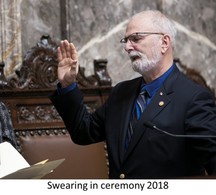

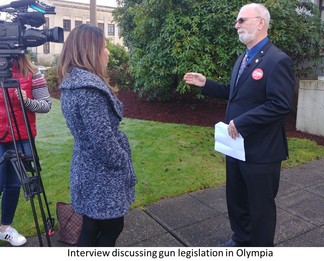
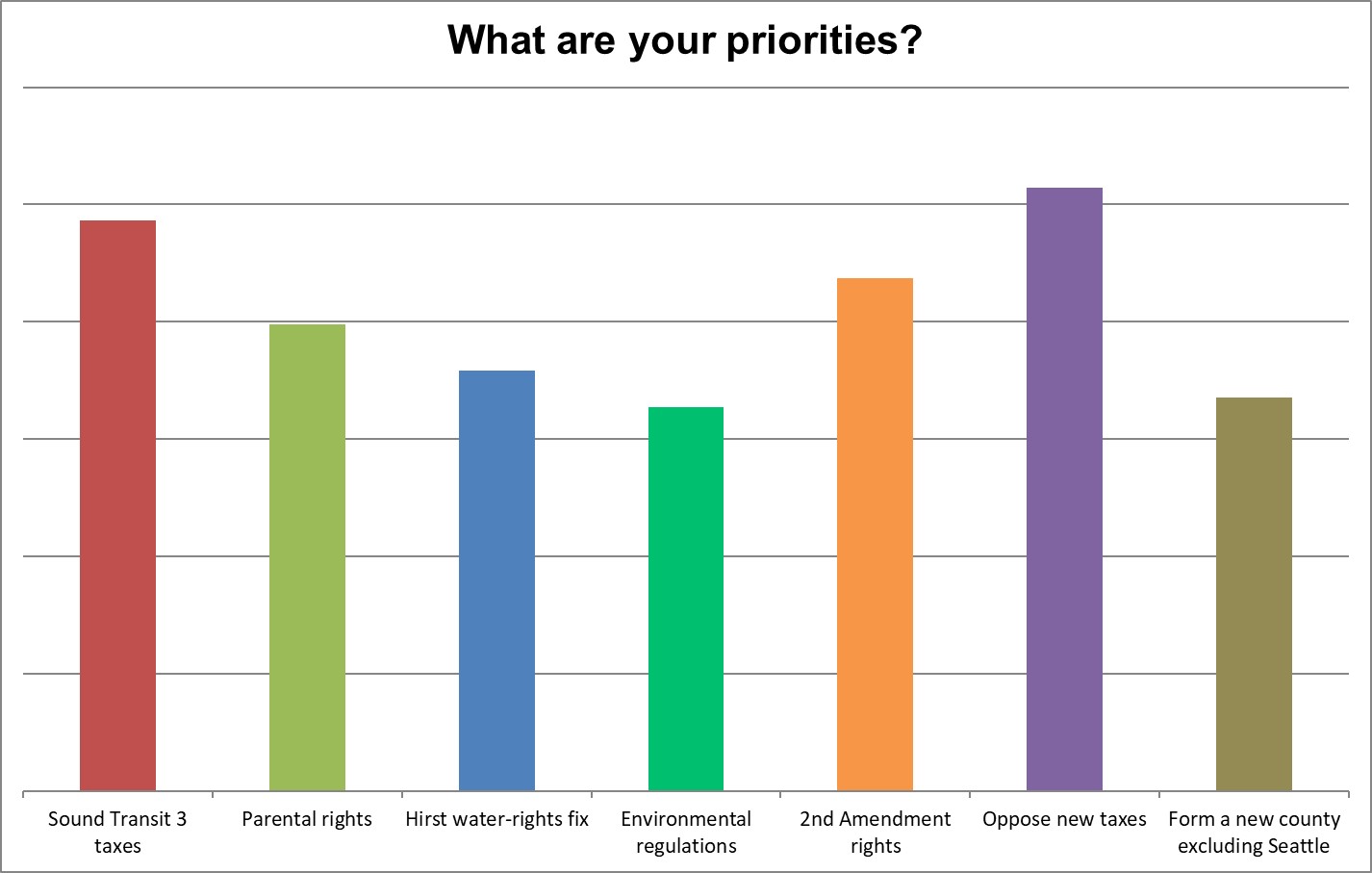
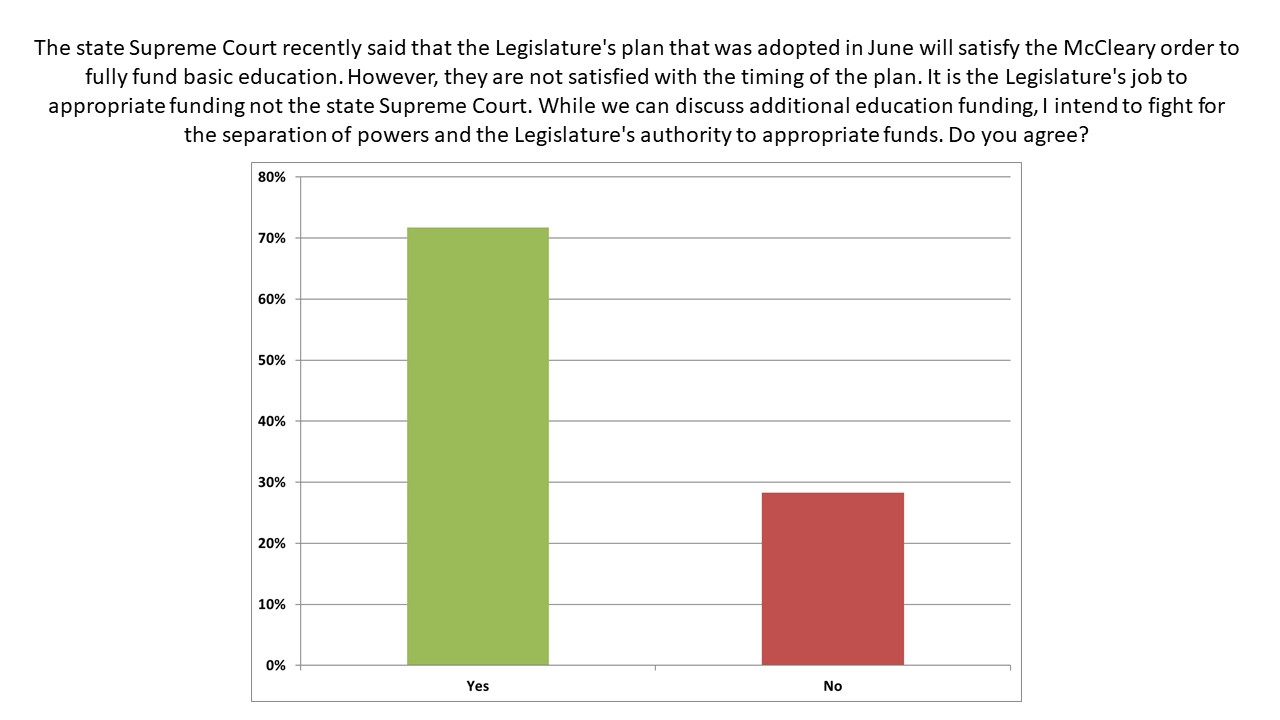
“Everybody knows government wastes money. The question is where is the waste?” says state Sen. Phil Fortunato. That’s why he introduced legislation that would reward state employees with a sizable bonus for finding government waste.
Senate Bill 6332, introduced in the first week of the 2018 legislative session, would re-establish the state productivity board, also referred to as the “employee involvement and recognition board.”
“In business there is an axiom that 50% of your advertising budget is wasted, the question is, which 50%. We have that same problem with state spending.” said Fortunato, R-Auburn. “Legislators like to claim that they have saved taxpayers a couple million dollars, but state employees have the potential to save taxpayers billions in recurring costs. They see first-hand how the state implements and spends money on programs, so who better to tell us where the waste is.”
The new Productivity Board would be directed to develop an employee suggestion incentive program. Cash awards up to $10,000 for suggestions generating net savings, revenue or both could be awarded.
“Legislators come up with ways to save some money once in a while, but front-line state workers are the ones who really know where savings can be found, so we should rely on them to rein in state spending. That means the more money in bonuses, the more taxpayer savings. That is a good investment.”